WHAT IS ACNE?
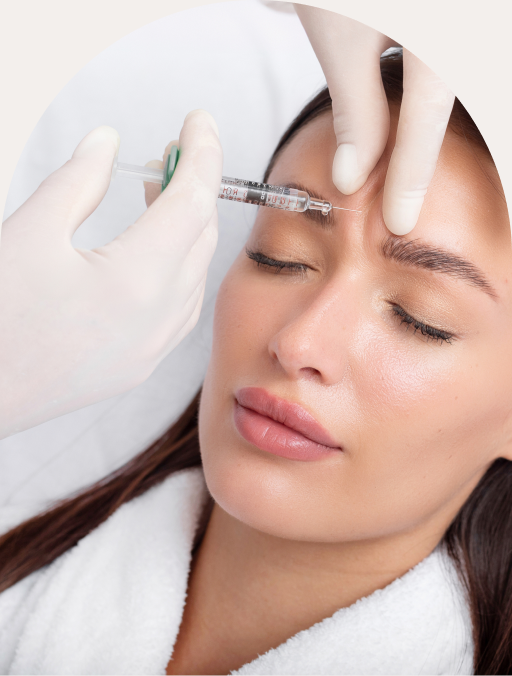
Acne is a common skin condition that occurs when hair follicles become clogged with oil, dead skin cells, and bacteria. This can result in the formation of pimples, blackheads, whiteheads, and sometimes deeper, painful nodules or cysts on the skin.
Acne most commonly appears on the face, but can also occur on the neck, chest, back, and shoulders. It can affect people of all ages, but is most common during adolescence due to hormonal changes that increase oil production in the skin.
Acne can be caused by a variety of factors, including genetics, hormones, diet, stress, and certain medications. It can be worsened by picking or squeezing pimples, using harsh or abrasive skin care products, and exposure to environmental irritants like pollution or certain chemicals.
While acne is not a serious health condition, it can be a source of emotional distress and lead to scarring if left untreated. There are various treatments available for acne, including topical creams, gels, and oral medications that can help to reduce inflammation, kill bacteria, and unclog pores. In severe cases, a dermatologist may recommend procedures like chemical peels, laser therapy, or extraction of cysts or nodules.
ACNE TREATMENT
Acne, whether it be in males or females can cause a lot of embarrassment or just reduce a person’s confidence levels. For girls, sometimes it can mean not having smooth skin and using layers of makeup and chemicals to cover it up. For men, it can mean just not showing up as much, not attracting too much attention to yourself or even doubting your self-worth.
WHERE CAN ACNE TREATMENT BE USED?
Acne treatment can be effectively applied to various areas of the body where acne commonly occurs, providing comprehensive care for all affected regions. The most common treatment area is the face, particularly the T-zone which includes the forehead, nose, and chin areas where oil production is highest and pores are most likely to become clogged. The cheeks and jawline are also frequent treatment zones, especially for hormonal acne and deeper cystic breakouts that tend to develop in these areas during hormonal fluctuations.
HOW TO TREAT ACNE?
The treatment of acne depends on the type and severity of the acne, as well as individual factors such as skin type, age, and overall health. Here are some common methods for treating acne:
Topical treatments
There are various over-the-counter and prescription creams, gels, and lotions that can help to reduce acne. These products may contain ingredients such as benzoyl peroxide, salicylic acid, or retinoids, which can help to unclog pores and reduce inflammation.
Oral medications
In more severe cases, a dermatologist may recommend oral medications such as antibiotics or isotretinoin to help reduce inflammation and kill bacteria that cause acne.
Lifestyle changes
Simple lifestyle changes such as regular exercise, reducing stress, and eating a healthy diet can also help to reduce acne.
In-office procedures
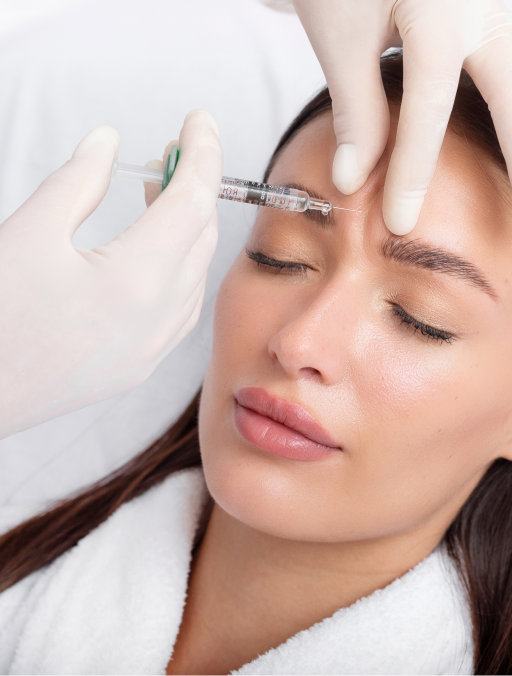
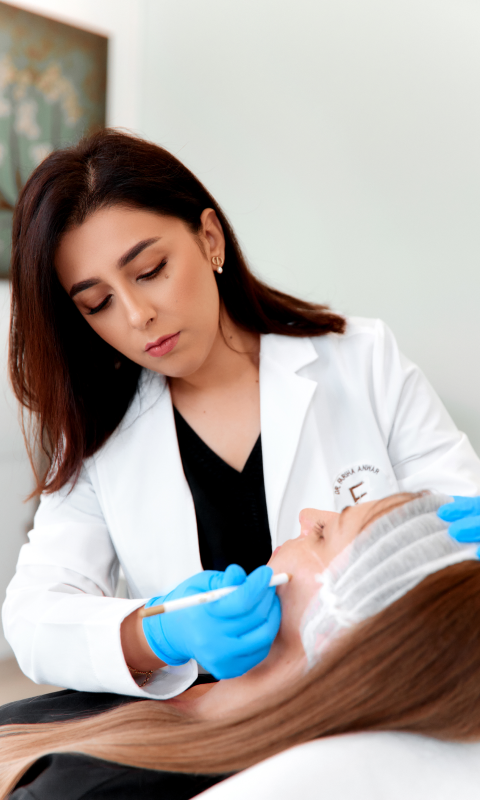
In certain cases, a dermatologist may recommend in-office procedures such as chemical peels, laser therapy, or extraction of acne cysts or nodules.
Home remedies
Some natural remedies such as tea tree oil, aloe vera, and green tea may help to reduce inflammation and improve the appearance of acne.
Before & After
Acne Treatment
SAFETY CONCERNS
It’s important to note that not all treatments work for everyone and it may take some trial and error to find the most effective treatment for your specific type of acne. It’s best to consult with a dermatologist to determine the best course of treatment for you.
FAQ
Acne Treatment
What are the best professional acne treatments available in Dubai?
At Dr. Fariha’s clinic, acne is treated with a combination of approaches depending on severity, including chemical peels, mesotherapy, PRP, laser treatments, and prescription skincare. A personalized plan is created after assessing your skin type and the type of acne you have.
Why is my acne worse in Dubai despite a good skincare routine?
Dubai’s heat and humidity can increase sweat and oil production, while the hard water can irritate the skin barrier. Stress, diet, and hormonal factors also play a role. Professional treatments address the root cause rather than just the surface symptoms.
How long does it take to see results from acne treatments?
Most patients notice an improvement within 4–6 weeks of starting a treatment programme. For moderate to severe acne, full results are typically visible after 3–6 months of consistent treatment.
Will acne treatments help with acne scars as well?
Yes! Many of the treatments used for active acne, such as chemical peels, PRP, Morpheus8, and laser, also help reduce existing acne scars over time. A combined treatment plan targeting both active breakouts and scarring can be created for you.
Testimonials
Clients Review
Lorem ipsum dolor sit amet, consectetur adipiscing elit, sed do eiusmod tempor incididunt ut labore et dolore magna aliqua.
Courtney HenryDubai, UAE

Lorem ipsum dolor sit amet, consectetur adipiscing elit, sed do eiusmod tempor incididunt ut labore et dolore magna aliqua.
Courtney HenryDubai, UAE
Lorem ipsum dolor sit amet, consectetur adipiscing elit, sed do eiusmod tempor incididunt ut labore et dolore magna aliqua.
Courtney HenryDubai, UAE
Lorem ipsum dolor sit amet, consectetur adipiscing elit, sed do eiusmod tempor incididunt ut labore et dolore magna aliqua.
Courtney HenryDubai, UAE
View All
Book an appointment
Recommended Services
Other Services
View All
Sculptra
Collagen-stimulating treatment that gradually restores facial volume and improves skin quality for long-lasting, natural anti-aging effects.
Face
Prp treatments
Platelet-rich plasma therapy using your body’s healing factors to regenerate skin, reduce signs of aging, and promote natural healing.
Face
Fat lipolysis tretament
Targeted micro-injections of vitamins and nutrients that rejuvenate skin from within, improving texture, hydration, and overall radiance.
Face
View All