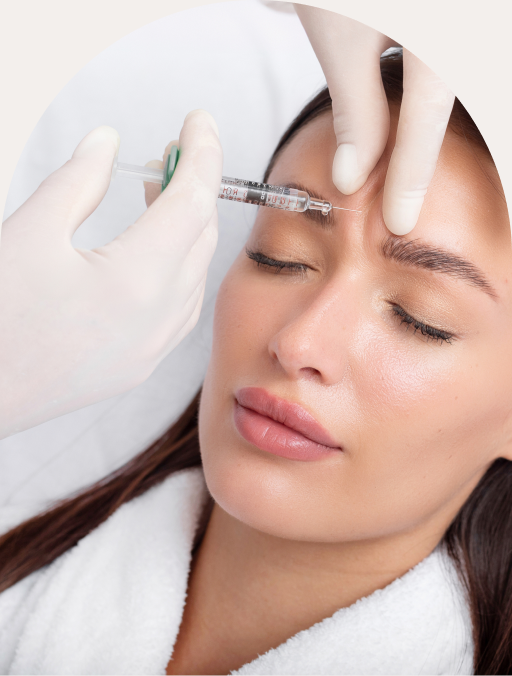
WHAT IS BOTOX?
Botox, short for Botulinum Toxin, is a neurotoxin derived from the bacterium Clostridium botulinum. It is known for its ability to temporarily paralyze muscles when injected. In the context of migraines, Botox is used to reduce pain by preventing muscle contractions and blocking pain signals.
BOTOX FOR MIGRAINES
Migraines are not just severe headaches; they are debilitating episodes of pain and discomfort that can disrupt one’s daily life. Those who suffer from chronic migraines often seek various treatments to alleviate their symptoms and improve their quality of life. But how do you know if you have a migraine issue and not just occasional headaches? Let’s look into both in depth, below:
DIFFERENCE BETWEEN A HEADACHE AND MIGRAINE
Migraines and headaches are terms often used interchangeably, but they are distinct conditions. A headache is a broad term for any pain in the head, whereas a migraine is a specific type of headache characterized by intense throbbing pain, typically on one side of the head. Migraines often come with additional symptoms such as nausea, vomiting, and sensitivity to light and sound.
TREATMENTS FOR MIGRAINES
Migraine treatment options can vary depending on the frequency and severity of the migraines and individual patient preferences. Here are some of the different treatments for migraines:
Lifestyle Modifications: Identifying and avoiding migraine triggers such as certain foods, stress, lack of sleep, or hormonal changes. Its also important to maintain a regular sleep schedule. Staying well-hydrated and avoiding excessive caffeine or alcohol consumption.
Over the Counter (OTC) Medications: Non-prescription pain relievers like ibuprofen, aspirin, or acetaminophen may provide relief for mild migraines.
Botox for Migraines: As mentioned in the previous blog, Botox injections can help reduce the frequency and severity of chronic migraines by preventing muscle contractions and blocking pain signals.
CGRP Inhibitors: Calcitonin gene-related peptide (CGRP) inhibitors are a new class of drugs specifically designed for migraine prevention. Clinical trials have shown that CGRP inhibitors can significantly reduce the frequency and severity of migraine attacks in many patients. They are considered a valuable addition to migraine management options.
Acupuncture: Some people find relief from migraines through acupuncture. Acupuncture is an ancient Chinese practice involving the insertion of fine needles at specific points on the body. It is used to alleviate migraine headaches by promoting relaxation, reducing pain, and restoring the body’s energy balance.
HOW DOES BOTOX HELP WITH MIGRAINES?
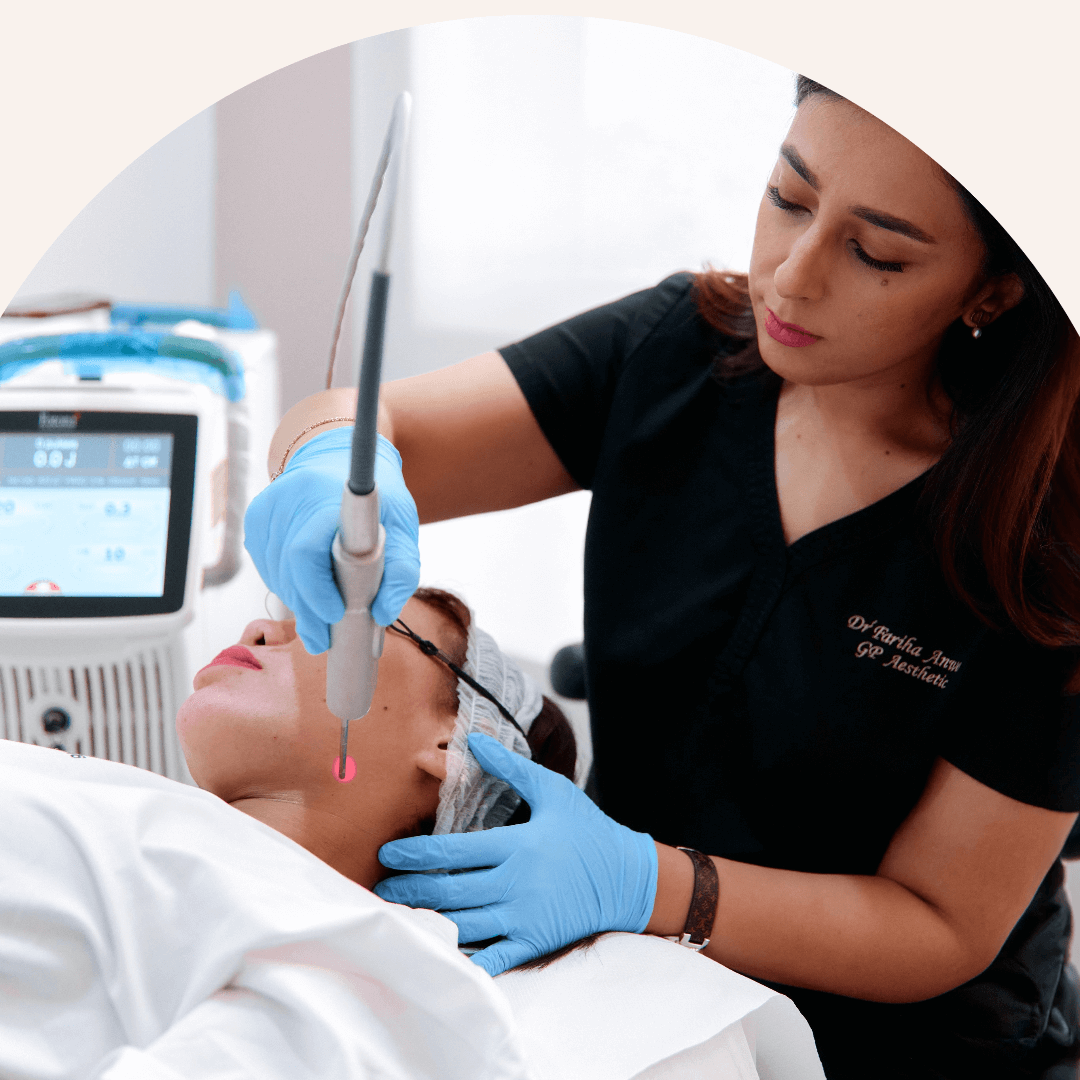
Botox works by temporarily blocking nerve signals in muscles where it is injected. In the context of migraines, it is believed that muscle tension and overactivity in certain areas of the head and neck can trigger or exacerbate migraine attack.
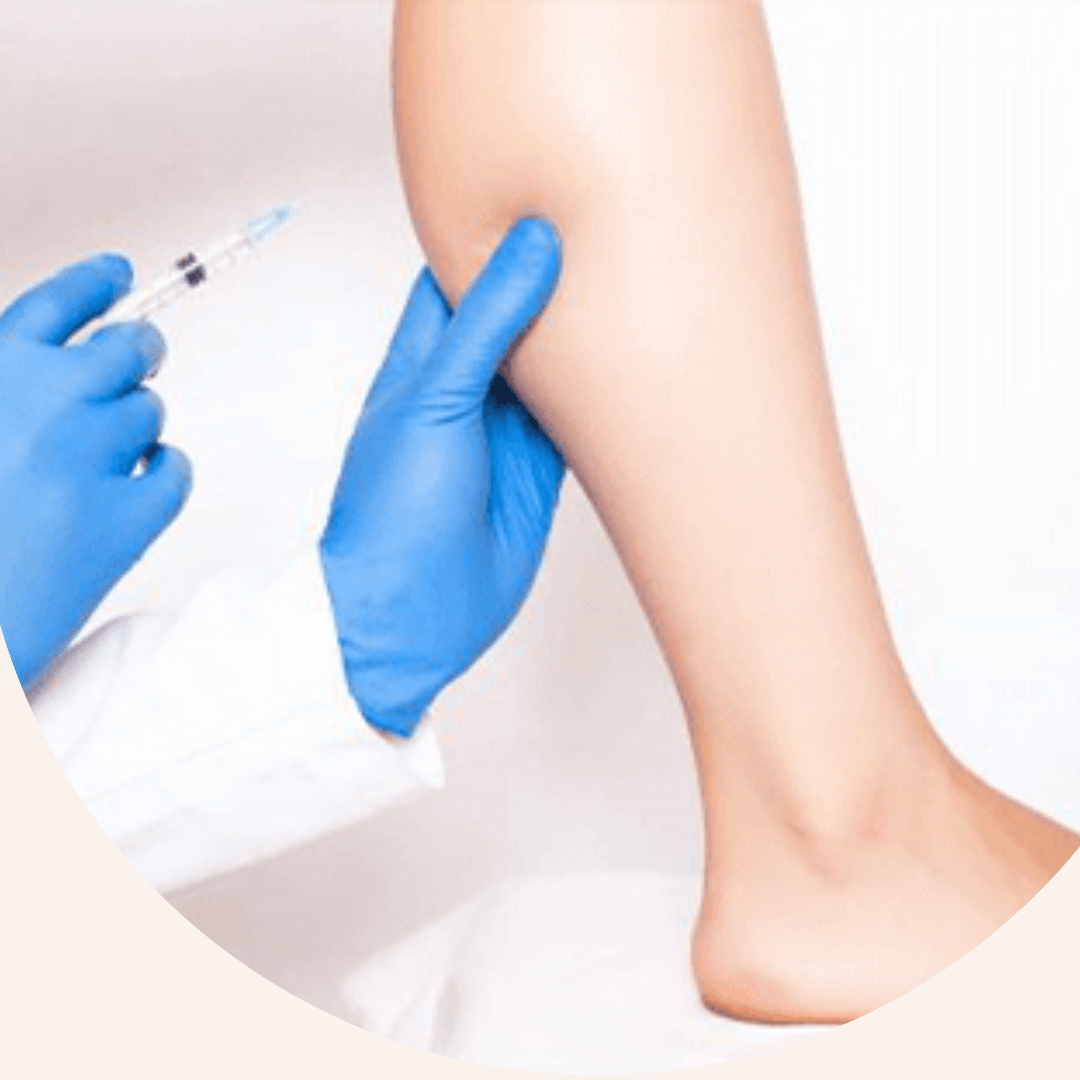
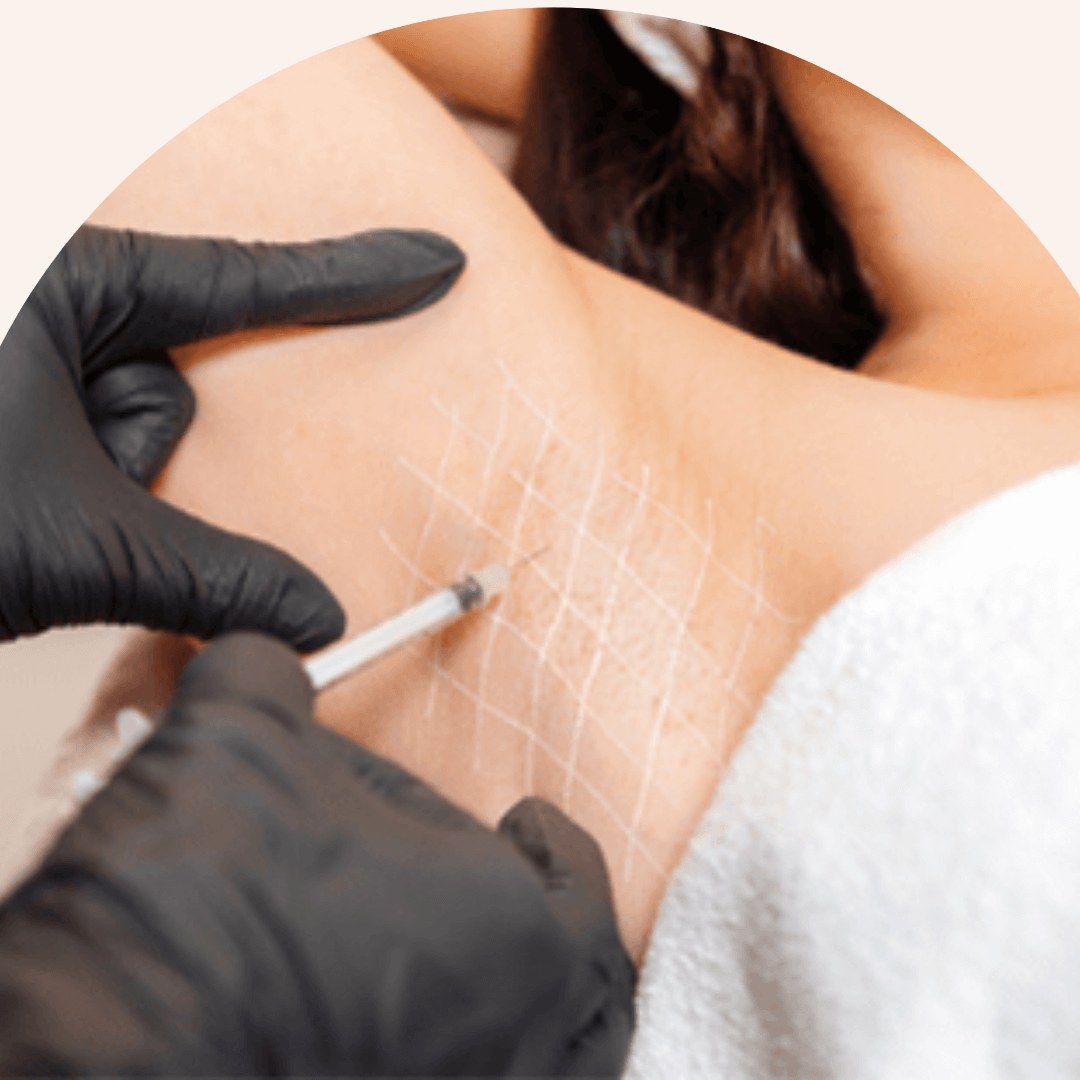
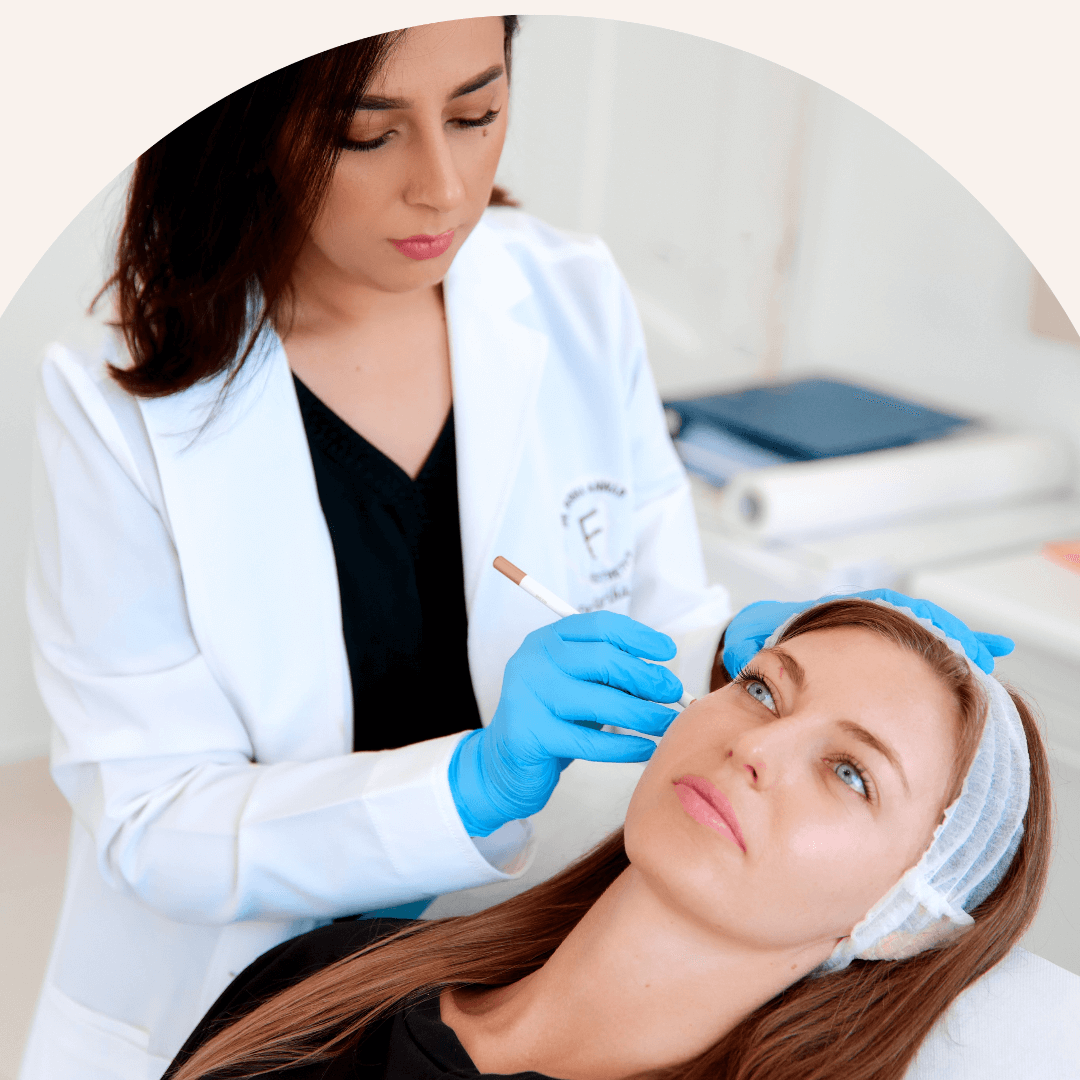
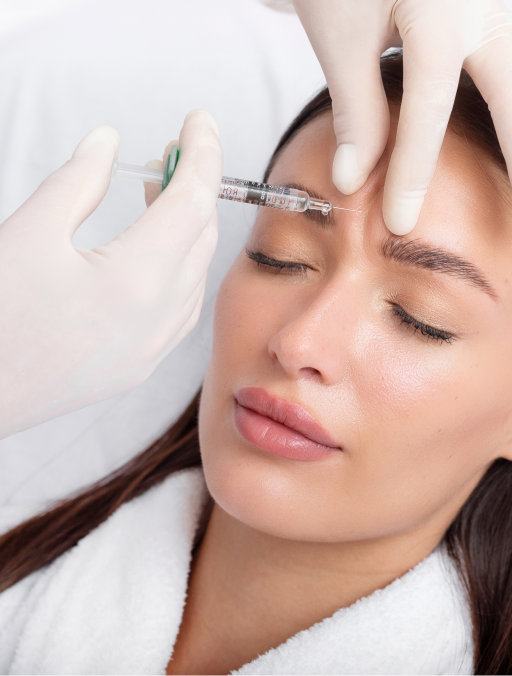
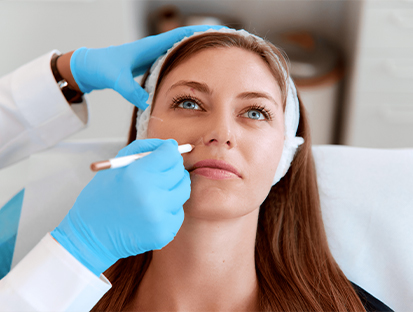
Botox injected into specific muscle groups in the forehead, temples, neck, and shoulders can reduce muscle contractions. This, in turn, can lessen the intensity and frequency of migraine attacks. Furthermore, it may also block pain signals associated with migraines. It is thought to interfere with the transmission of pain messages from the nerves to the brain.
BENEFITS OF BOTOX FOR MIGRAINES:
Botox treatment for migraines offers several advantages for individuals suffering from chronic migraines:
Long-Lasting Relief
Although not permanent, the effects of Botox can last for about three months. This means that individuals can enjoy consistent relief over an extended period with fewer treatments compared to some other migraine therapies.
Minimal Side Effects
Botox for migraines is generally well-tolerated, and the side effects are typically mild and temporary, such as slight discomfort at the injection sites.
Individualized Approach
Botox treatment for migraines is tailored to each patient’s specific needs and migraine history, ensuring a personalized and effective approach.
Complementary to Other Therapies
Botox can be used in conjunction with other migraine management strategies, including lifestyle modifications and other medications, to provide comprehensive care.
Approved Treatment
Botox for chronic migraines is an approved and recognized treatment by health authorities in various countries, offering a safe and reliable option for eligible patients.
Before & After
Botox For Migraine

SAFETY CONCERNS
In the realm of migraine management, Botox, or Botulinum Toxin, offers promise but also raises safety considerations. While it is generally safe when administered by skilled healthcare professionals, potential side effects exist. These may include temporary discomfort at injection sites, rare allergic reactions, muscle weakness near the treated areas, and, in exceptional cases, severe muscle weakness affecting swallowing or breathing. Furthermore, Botox’s effects are temporary, necessitating repeat injections, and its effectiveness can vary among individuals. Pregnant or breastfeeding individuals should exercise caution, and potential medication interactions should be discussed with healthcare providers. Selecting a qualified provider for Botox treatment is crucial to minimize risks and ensure safe administration.
FAQ
Botox For Migraines
How does Botox help with migraines?
Botox injected into specific points around the head and neck blocks the release of chemicals involved in pain transmission, helping to prevent chronic migraines from occurring. It is FDA-approved for chronic migraine prevention (15 or more headache days per month).
How quickly does Botox work for migraines?
Some patients notice improvement after their first treatment, but the full effect typically builds over 2–3 treatment cycles (every 12 weeks). Consistent treatment provides the best results for migraine reduction.
How often is Botox for migraines administered?
Botox for chronic migraines is given every 12 weeks (3 months). The treatment involves multiple small injections around the head, scalp, and neck, and takes about 20–30 minutes per session.
Is Botox for migraines safe for long-term use?
Yes, Botox for migraines has been studied extensively and is considered safe for long-term, repeated use. Side effects are generally mild, including temporary neck pain or headache after the injection, and resolve quickly.
Testimonials
Clients Review
Lorem ipsum dolor sit amet, consectetur adipiscing elit, sed do eiusmod tempor incididunt ut labore et dolore magna aliqua.
Courtney HenryDubai, UAE

Lorem ipsum dolor sit amet, consectetur adipiscing elit, sed do eiusmod tempor incididunt ut labore et dolore magna aliqua.
Courtney HenryDubai, UAE

Lorem ipsum dolor sit amet, consectetur adipiscing elit, sed do eiusmod tempor incididunt ut labore et dolore magna aliqua.
Courtney HenryDubai, UAE
Lorem ipsum dolor sit amet, consectetur adipiscing elit, sed do eiusmod tempor incididunt ut labore et dolore magna aliqua.
Courtney HenryDubai, UAE
View All
Book an appointment
Recommended Services
Other Services
View All
PRP and PRF treatments
Advanced platelet therapies that harness your body’s natural growth factors to accelerate healing, regeneration, and anti-aging processes.
Body
Exosomes treatment
Cutting-edge regenerative therapy using stem cell-derived exosomes to repair damaged skin, reduce inflammation, and promote cellular renewal.
Body
Acell treatment
Innovative regenerative medicine using extracellular matrix technology to accelerate wound healing and tissue regeneration for optimal recovery.
Body
View All